Dabbing has come a long way since the early days of homemade setups and mystery oils. These days, the choices can feel overwhelming. One term you will see more and more is "distillate for dabbing." It covers a wide range of cannabis concentrates, from the lightest cannabis oils to thick, golden syrups. Understanding what distillate actually is, how it is made, and how it behaves on a nail makes a real difference in your session.
What Is Distillate, Really?
Distillate is the result of a process that separates cannabinoids and terpenes from plant material using heat and vacuum. Think of it like the difference between a full-flavored broth and a clear, concentrated stock. The starting material can be anything from fresh-frozen flower to leftover biomass from other extractions. The distillation itself can be done with solvents like butane or ethanol, or it can be solventless using only heat and pressure. The end goal is the same: a concentrated oil that contains a high percentage of the desired compounds.
When people talk about distillate for dabbing, they usually refer to the finished product after winterization and decarboxylation. Winterization removes plant waxes and fats that cause harsh hits. Decarboxylation activates the cannabinoids, making them more bioavailable. The result is a smooth, potent oil that vaporizes cleanly on a hot surface.
The Two Main Families: Delta 8 and Delta 9
Not all distillate is created equal. The two most common types you will encounter are delta 8 and delta 9 distillates. They come from different starting materials and produce very different effects.
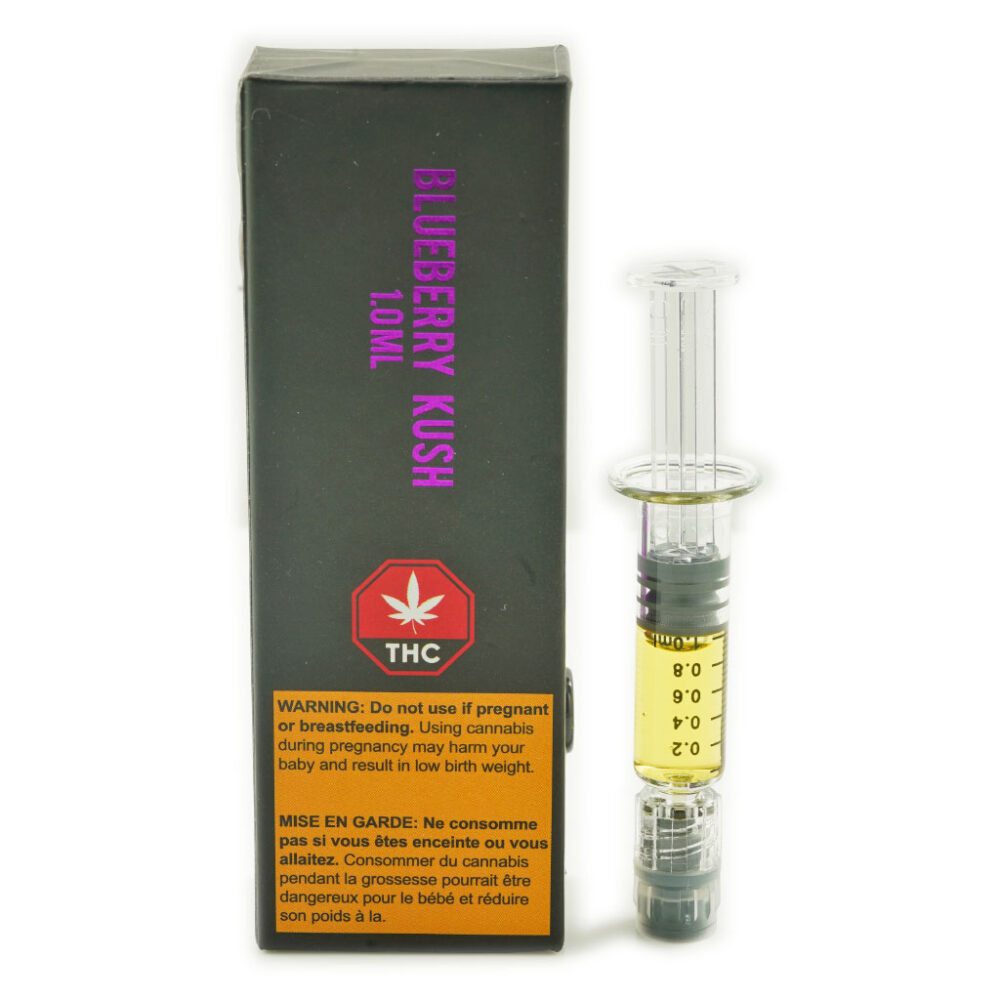
Delta 9 distillate is the classic. It is derived from delta-9-tetrahydrocannabinol, the main psychoactive compound in cannabis. It produces the familiar euphoric, intoxicating high that most people associate with dabbing. It is thick, often amber, and can be quite viscous at room temperature. Delta 9 distillate tends to be the go-to for users who want strong effects and a pronounced flavor profile.
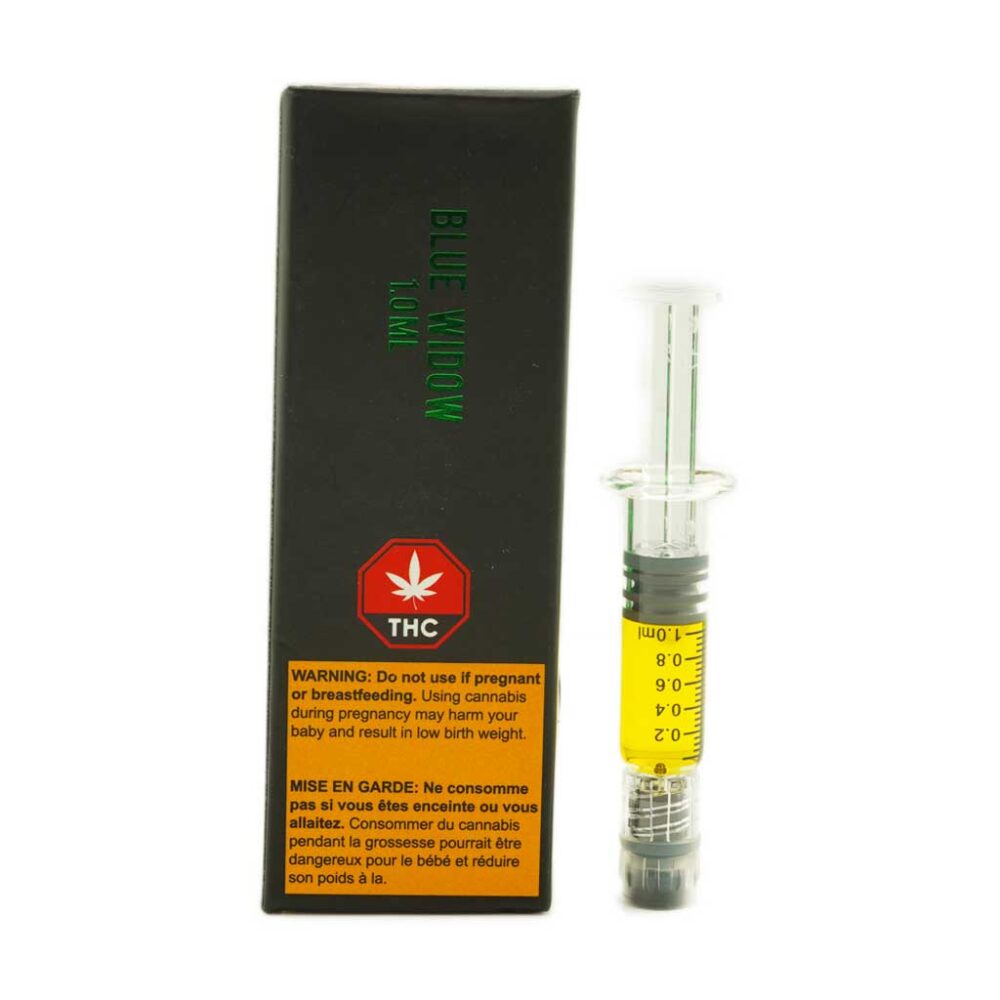
Delta 8 distillate, on the other hand, comes from delta-8-THC, a cannabinoid that is chemically similar but produces a milder, clearer high. Many people describe it as less anxious and more functional. Delta 8 distillate is usually lighter in color and consistency, almost like a thin honey. It is popular among those who want the therapeutic benefits of cannabis without the intense psychoactive experience. Some users blend the two to fine-tune their experience.
How Distillate Is Made
The production method matters a lot for the final product. Two common techniques are BHO (butane hash oil) and CO2 extraction.
BHO uses butane or propane as a solvent to strip cannabinoids from the plant material. The solvent is then purged under vacuum, leaving behind a potent oil. It is relatively cheap and fast, but the quality depends heavily on the starting material and the purge process. Poorly purged BHO can leave behind trace solvents that taste terrible and may irritate the lungs.
CO2 extraction uses supercritical carbon dioxide as the solvent. It is gentler and more selective, preserving delicate terpenes and producing a cleaner oil. The downside is that it is more expensive and requires specialized equipment. The resulting distillate is usually lighter in color and carries a more nuanced flavor.
Solventless methods, like rosin pressing and live resin production, do not use any solvents at all. Rosin is made by pressing flower or hash between heated plates. Live resin is made from fresh-frozen plants that are extracted with a solvent like ethanol, then gently purged. These methods preserve the full spectrum of cannabinoids and terpenes, producing a thicker, more flavorful product. Many connoisseurs prefer solventless distillate for dabbing because it offers the purest expression of the plant.
Gear Matters: Matching the Rig to the Oil
Your choice of distillate affects how you should heat it. Different consistencies and boiling points call for different setups. Here are the key pieces of gear and how they interact with distillate.
The Dab Rig
A standard dab rig is a water pipe designed for concentrates. The size and shape affect how the vapor cools and how much flavor you get. A small rig with minimal diffusion preserves flavor but can be harsh. A larger rig with more water cools the vapor but can strip out some terpenes. For thick, terp-rich distillates, many dabbers prefer a medium-sized rig with a simple downstem.
The Quartz Banger and Carb Cap
A quartz banger is the most common nail type for distillate. Quartz heats evenly and retains heat well, but it can be slow to cool down. For thin, runny distillates like delta 8, a cold-start technique works well: you load the distillate into the banger before heating it, then apply heat slowly until the oil vaporizes. This prevents overheating and preserves flavor. For thicker oils, a hot start is better: heat the banger to around 500-600°F, let it cool for 30-60 seconds, then drop the oil in. A carb cap helps control airflow and lowers the temperature, making the vapor smoother.
E-Nail vs. Torch
An e-nail gives you precise temperature control. It is ideal for distillate because you can dial in the exact temperature for your oil. For delta 9 distillate, 500-540°F is common. For delta 8, a lower temp around 450-500°F works better. A torch is cheaper and more portable, but it requires practice to get consistent results. If you use a torch, invest in an infrared thermometer to check the banger temperature.
Terp Pearls and the Puffco Peak Pro
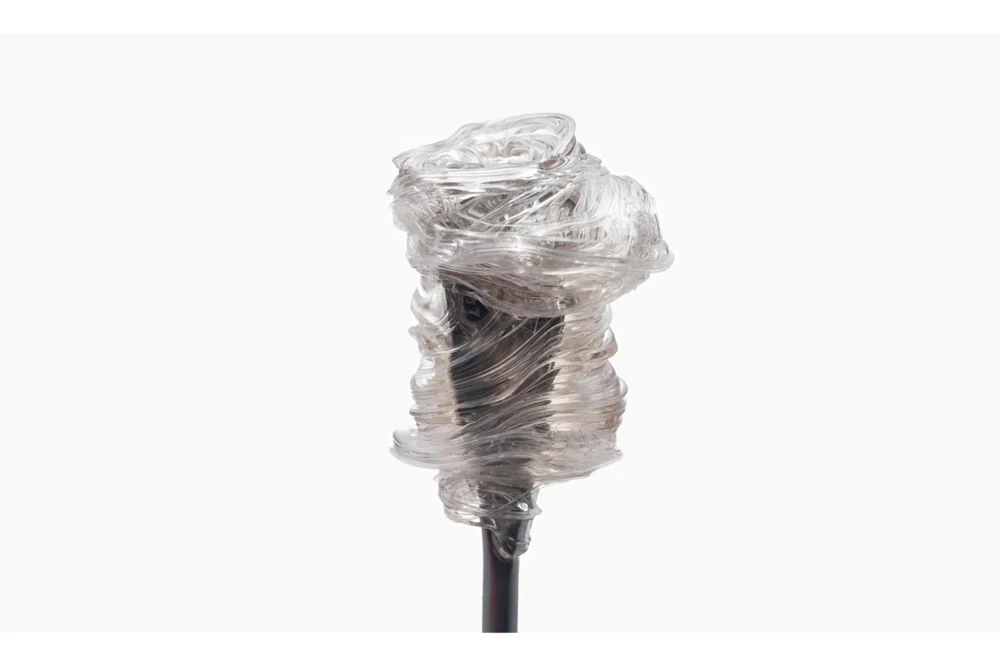
Terp pearls are small spheres of quartz or ceramic that spin inside the banger when you pull air through. They help distribute the distillate evenly and prevent hot spots. They make a noticeable difference with thicker oils that tend to pool. The Puffco Peak Pro is an all-in-one e-rig that is popular for its consistency and portability. It works well with most distillates, especially the thinner ones, because it heats evenly and has a built-in carb cap. Many users find it less messy than a traditional torch-and-banger setup.
Practical Tips for Dabbing Distillate
Here are a few things I have learned from years of trial and error.
- Start with a small dab. Distillate is potent, and a rice-sized grain is plenty for most people. You can always add more.
- Use a cold start for delicate, terpene-rich oils. It preserves the subtle flavors that get lost at high temperatures.
- Keep a clean banger. Residue from old dabs will char and ruin the flavor of your new distillate. Use a cotton swab dipped in isopropyl alcohol after every session.
- Store your distillate in a cool, dark place. Heat and light degrade cannabinoids and terpenes over time.
- If you are using a torch, heat the banger evenly. Rotate the flame around the nail to avoid creating a hot spot that burns the oil.
The Flavor Spectrum: From Live Resin to Distillate
One of the joys of dabbing is tasting the full profile of the plant. Live resin captures the volatile terpenes that are lost during drying and curing. It tastes bright and fresh, almost like smelling the live plant. Distillate, depending on the method, can range from a clean, neutral oil to a rich, complex concentrate that retains much of the original flavor. The trade-off is that live resin is more fragile and expensive, while distillate is more shelf-stable and usually cheaper per milligram of cannabinoids.
Rosin sits somewhere in between. It is solventless, so it preserves the full spectrum of compounds, but it is more viscous and can be harder to work with on a hot nail. Many dabbers prefer rosin for its purity and flavor, but they accept that it requires a bit more care to avoid burning.
Safety and Quality Control
Not all distillate is safe to dab. The biggest risk comes from residual solvents in poorly made BHO. Reputable producers test their products for solvent levels and publish the results. If you are buying from a shop, ask for a certificate of analysis. If the seller cannot provide one, think twice. Also, look at the color and consistency. Good distillate should be clear to amber, not dark and murky. It should flow slowly at room temperature but not be rock hard. If it smells like lighter fluid, do not use it.
Another concern is the presence of synthetic cannabinoids. Some unscrupulous vendors have been known to cut distillate with synthetic noids to boost potency. These compounds can be dangerous and unpredictable. Stick to trusted brands and shops that prioritize transparency.
Final Thoughts
Distillate for dabbing is a broad category, but once you understand the basics of how it is made and what affects its behavior, you can make informed choices. Whether you reach for a delta 8 distillate for a clear-headed afternoon or a delta 9 distillate for deeper relaxation, the right setup and technique will help you get the most out of your material. Experiment with different types, temperatures, and rigs. Keep notes on what works. Over time, you will develop a feel for the subtleties that make each batch unique.
The beauty of distillate is that it condenses the entire cannabis experience into a few perfect droplets. With a little knowledge and the right gear, each dab becomes a moment of precision and pleasure.